



Building a depot is a rewarding project. It becomes the heart of your layout. Many hobbyists want a unique look. That is why custom model train depot production and learning how to Make a Custom Model Train Depot is so popular. You can control every detail. You decide the size, color, and style. Make a Custom Model Train Depot that stands out.
A great depot needs more than just a building. It requires a full environment. You will need tracks, bridges, and scenery. Let us explore how to build a stunning depot step by step.
Whether you are a beginner or an expert, you can Make a Custom Model Train Depot that fits your vision and layout.
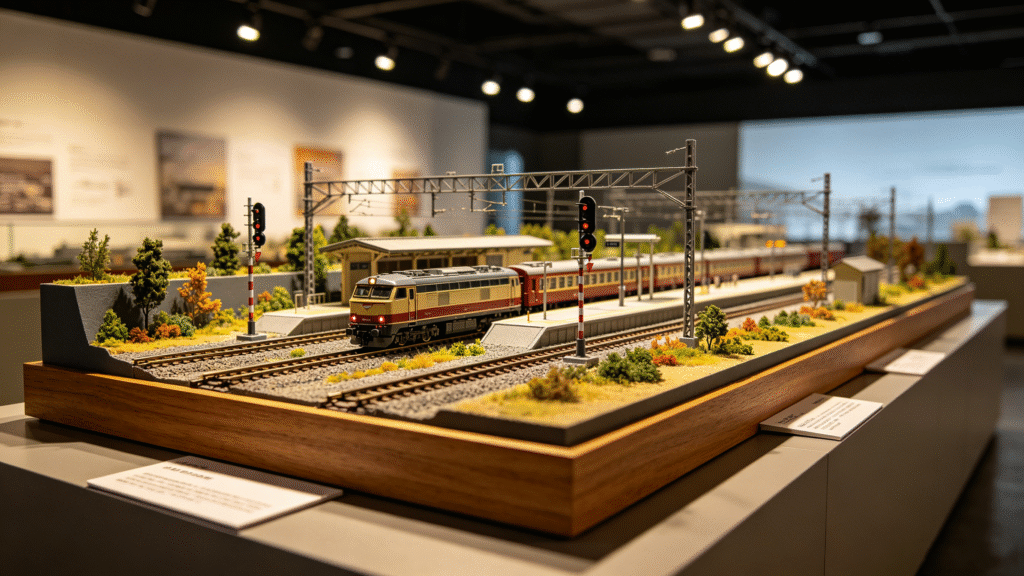
Start with a Solid Plan
Every project begins on paper. Sketch your dream depot first. Think about the traffic flow. Where do trains enter and exit? How many platforms do you need?
Every detail counts when you Make a Custom Model Train Depot. From the paint color to the type of roof, each choice contributes to the overall aesthetics.
A good plan saves time and money. It also helps with custom model train depot production. You can order the right materials. You can avoid costly mistakes.
When building your depot, remember that you are learning how to Make a Custom Model Train Depot that reflects your personal style.
Consider the era of your layout. A modern depot looks different from a steam-era one. Choose a theme that fits your collection.
Building the Depot Structure
Use quality materials for the base. Styrene or wood works well. Cut the walls carefully. Assemble them with strong glue.
Add details like windows and doors. Paint the depot in realistic colors. Weathering makes it look used and real. Let the paint dry completely before moving on.
As you add details, think about how they will enhance your ability to Make a Custom Model Train Depot that fits into your landscape.
These small decisions are crucial when you Make a Custom Model Train Depot that tells a story.
Now, think about the surroundings. A depot never stands alone. It connects to tracks and roads. This is where custom model train track scenery becomes important. You can shape the land around the rails. Use foam or plaster for the ground. Add gravel near the tracks. This scenery makes your depot feel alive.
Adding Custom Model Train Track Scenery
Custom model train track scenery appears three times in this guide. It is key for realism. First, lay the tracks leading to your depot. Then, add ballast between the rails. Glue it down gently.
Second, use grass mats or static grass around the tracks. This softens the hard lines of the rails. Third, place small details like signals and signs. These items guide the eye to the depot.
Good track scenery hides the seams between the layout and the building. It makes everything look connected. You can also add a dirt path where workers walk.
Including a Custom Model Railroad Bridge
Many depots sit near water or valleys. That is why you need a custom model railroad bridge. This keyword appears three times below.
First, a bridge can be an entrance to your depot scene. Build it from wood or metal kits. Paint it to match the depot’s era.
Each building in your scene, including your depot, helps you Make a Custom Model Train Depot that looks cohesive and engaging.
By considering how to Make a Custom Model Train Depot in an industrial context, you can create a dynamic scene.
Second, a custom model railroad bridge adds height variation. It makes the layout more interesting. You can place it over a small stream or a road.
Third, use the bridge to separate different areas. For example, put the depot on one side and a forest on the other. The bridge becomes a natural divider. Always test your trains on the bridge before gluing anything.
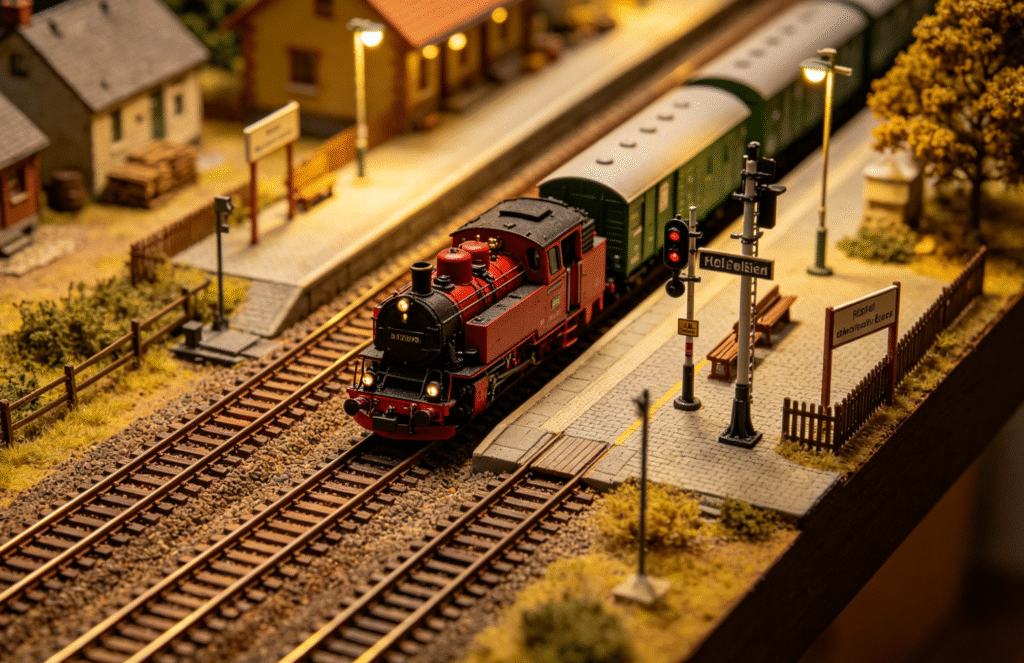
Designing a Custom Model Railroad Industrial Scene
Depots are often part of larger industrial areas. So, try custom model railroad industrial scene design. This phrase appears three times for better SEO.
First, add a small warehouse next to the depot. Use corrugated metal or brick textures. Second, install loading docks with tiny crates and barrels. These details tell a story.
Third, include a custom model railroad industrial scene design with pipes and tanks. You can make these from plastic tubes. Paint them rusty or faded. This scene gives context to your depot. It explains why trains stop here.
Remember to leave space for vehicles. A small truck or crane adds movement. Industrial scenes look best when they feel busy but organized.
Creating a Miniature Model Railroad Village Construction
A depot often serves a town. So, start miniature model railroad village construction. This long phrase appears three times.
First, place a few houses near the depot. Use kits or scratch-build them. Keep the scale consistent. Second, add a general store or a church. These buildings create a community feel.
Third, continue miniature model railroad village construction by adding roads and streetlights. Connect the depot to the village with a small road. Add parked cars and figures walking. This turns your depot into a living place.
The village should look peaceful. Use different roof colors and garden sizes. A well-built village makes the depot more meaningful.
Using Realistic Model Railroad Scenery Vegetation
Nature brings everything together. That is why you need realistic model railroad scenery vegetation. Let us use this phrase three times.
First, plant trees around the depot. Use wire armatures or commercial tree kits. Flock the branches with green foam.
Second, add realistic model railroad scenery vegetation like bushes and weeds. Place them near the tracks and building corners. This softens hard edges.
Third, use ground foam for grassy areas. Sprinkle it over glue. Add flowers with small colored dots. Realistic model railroad scenery vegetation hides gaps and errors. It also creates depth.
Do not overdo the greenery. Leave some open ground for walking paths. Balance is the secret to natural-looking scenery.
Detailing and Weathering
Details make your depot special. Add a bench for waiting passengers. Place a water tower for steam engines. Install lamps that really light up.
Weather everything. Use chalk or acrylic washes. Focus on the roof and gutters. Dirty windows look more real than clean ones.
Do not forget the tracks. Oil stains near the depot are realistic. Use a black wash on the rails. Let it dry before running trains.
Lighting and Electronics
Add LED lights inside the depot. Use warm white for a cozy glow. Install streetlights in the village. Wire them to a common power source.
You can also add sound. A station announcement or bell adds life. Keep the volume low. Too much noise is distracting.
In summary, the goal is to Make a Custom Model Train Depot that reflects your vision while incorporating all these elements.
Testing and Enjoying Your Work
Run trains through the depot. Check for clearance issues. Watch how they enter and leave. Adjust any scenery that blocks the view.
Ultimately, the best reward will be when you sit back and admire your ability to Make a Custom Model Train Depot that you have created.
Invite friends over to see your layout. Take photos from different angles. Share them in online forums. Your custom model train depot production is now complete.
Maintaining Your Depot Scene
Dust is the enemy. Clean the tracks and buildings regularly. Use a soft brush or canned air. Check the vegetation for loose pieces. Glue them back if needed.
Every few months, add one new detail. A figure or a sign keeps the hobby fresh. Your scene will evolve over time.
Final Tips for Success
Start small if you are a beginner. One depot with basic scenery is enough. Expand later with bridges and villages. Always plan before you glue.
Use online tutorials for tricky parts. Join a local model railroad club. They can offer advice for custom model train depot production. Remember to have fun. This is a creative hobby.
Now, go build your dream depot. Include amazing track scenery, a strong bridge, an industrial scene, a miniature village, and realistic vegetation. Your trains will thank you.

Leave a Reply