How to Paint Custom Model Train Track Scenery for Layouts
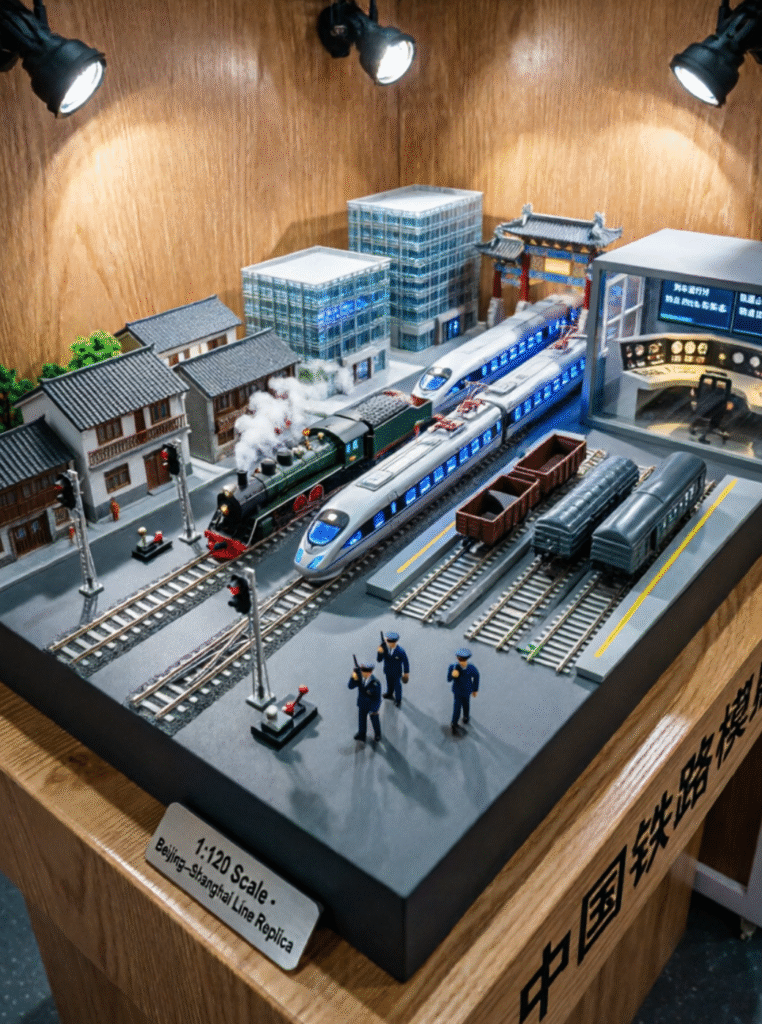
Creating a realistic model train layout starts with the ground beneath the rails. The track and its surroundings tell a story. You want viewers to believe in your miniature world. That is why learning custom model train track scenery techniques is so valuable. This guide will walk you through every step. You will learn how to paint, texture, and detail your tracks like a professional.
Why Paint Your Model Train Track Scenery?
Many beginners leave their tracks looking like plastic toys. Unpainted rails and gray plastic ballast break the illusion. Painting your scenery brings depth and realism. It hides the artificial look of mass-produced parts. A well-painted track blends into the landscape. It becomes part of the earth, rocks, and grass around it. This transforms your entire layout.
Essential Supplies for Painting Track Scenery
Before you start, gather these items:
- Acrylic craft paints (browns, rust, grays, earth tones)
- Small paintbrushes (flat and pointed)
- Airbrush (optional but helpful)
- Masking tape
- Spray primer (matte)
- Realistic ballast materials
- Scenic cement or diluted white glue
- Foam or brushes for applying textures
- Weathering powders
Acrylic paints work best. They dry fast and clean up with water. Avoid glossy paints. They look fake in miniature scale.
Step 1: Clean the Track Thoroughly
Dirt and grease prevent paint from sticking. Wipe down the rails and ties. Use rubbing alcohol on a rag. Let everything dry completely. Do not skip this step. Poor adhesion leads to peeling paint later.
Step 2: Mask the Rail Heads
Paint on the rail tops causes electrical problems. Your trains will lose power. Use masking tape or a liquid mask. Cover only the top surface of each rail. This keeps the contact area clean. You can also use a specialized rail masking tool. After painting, remove the tape carefully.
Step 3: Apply Primer to the Track
Primer helps paint bond to plastic or metal. Spray a thin coat of matte gray or brown primer. Cover the ties, sides of rails, and ballast area. Do not spray heavy. Multiple light coats are better than one thick coat. Let the primer dry for one hour.
Step 4: Paint the Rails and Ties
Now you start the core of your custom model train track scenery project. Paint the sides of the rails with rust color. A mix of burnt sienna and orange works well. Use a small flat brush. Apply paint in thin layers. For the ties, choose a weathered wood color. Dark brown or gray-brown looks best. Avoid pure black or bright brown. Dry brushing works great here. Dip your brush in paint, wipe most off, then lightly drag over the ties. This leaves paint only on the high spots.
Step 5: Create the Ground Cover Base
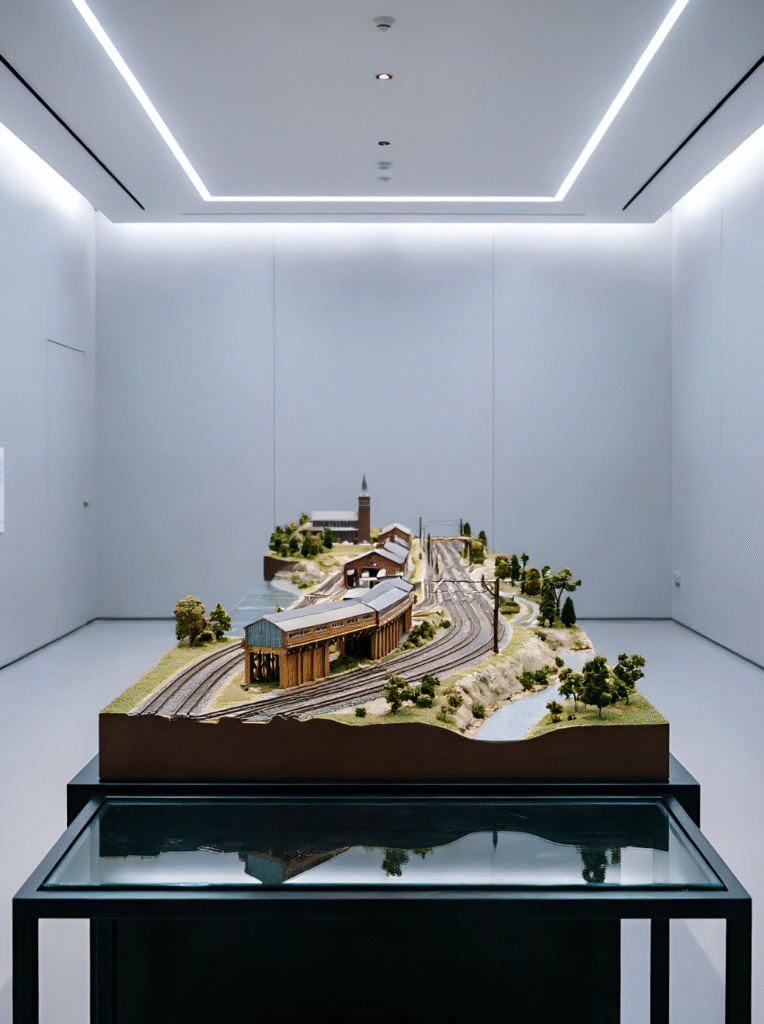
The ground around your tracks needs texture. Apply a layer of diluted white glue. Use a dropper or brush. Sprinkle on fine sand or real dirt. This creates a natural base. Press it down gently. Let it dry overnight. Then spray with more diluted glue to lock it in.
Step 6: Paint the Ballast and Ground
Ballast is the crushed stone under and around the rails. Most modelers buy real stone ballast. It comes in gray, brown, or mixed colors. Apply ballast between and outside the rails. Use a soft brush to push it into place. Then spray with wet water (water with a drop of dish soap). Follow with diluted glue. After it dries, paint the ballast. Mix gray, tan, and rust colored acrylics. Dry brush lightly. You want variation, not solid color.
For the ground beyond the ballast, use earth tones. Browns, tans, and dark grays work. Paint in patches and streaks. Nature is never one solid color. Blend different shades while the paint is wet.
Step 7: Add Weeds and Grass
Static grass makes scenery come alive. Apply glue in small patches. Sprinkle on static grass fibers. Use different lengths and colors. Short dark green grass works near tracks. Taller yellow-green grass looks good further away. You can also paint plastic grass mats. Cut them into irregular shapes. Glue them along the track edges. Paint them with diluted green, brown, and yellow washes.
Step 8: Weather the Entire Scene
Weathering adds age and use. Mix a dark brown or black wash (very thin paint). Brush it along the rail sides and ties. Let it settle into cracks. This simulates oil, grease, and dirt. Use weathering powders for rust and grime. Rub them on with a soft brush. Seal with matte spray. Do not overdo it. Less is often more.
Step 9: Paint Details Like Switches and Signals
Turnouts (switches) need special attention. Paint the moving parts carefully. Do not let paint build up in the frog or point rails. Use a small brush and thin paint. Signals, signs, and mile markers add character. Paint them with bright or faded colors. Then weather them slightly. A faded sign looks more realistic than a new one.
Creating Complete Custom Model Railroad Scenery
Your tracks do not exist alone. They run through a landscape. To achieve true Custom Model Railroad Scenery, think beyond the rails. Paint hills, rocks, and water features. Use foam board or carved insulation foam. Cover it with plaster cloth. Paint with earth tones. Add layers of green for grass and trees. Blend the track scenery into the larger layout. The transition from ballast to forest should look natural. Use ground foam and turf to hide the seam.
Understanding Custom Model Railroad Scale Selection
Before painting any scenery, you must choose a scale. This is called custom model railroad scale selection. The most common scales are HO (1:87), N (1:160), and O (1:48). Your painting technique changes with scale. In HO scale, you can paint individual ties. In N scale, you use broader washes. In O scale, you add fine details like tiny rocks. Always match your paint application to the scale. Larger scales need more precision. Smaller scales need stronger contrast. Test your paints on scrap pieces first.
Building a Custom Model Railway Tunnel
Tunnels add drama and mystery. A custom model railway tunnel needs realistic portals and interiors. Paint the tunnel entrance with stone or brick colors. Use gray, brown, and black washes. Dry brush lighter colors on the edges. The tunnel interior should be black or very dark gray. This hides the exit. Paint the track inside the tunnel just like the rest. But keep it darker. Use less contrast. You can also paint a back wall inside the tunnel. This creates the illusion of depth. Add bushes or trees around the tunnel mouth. This blends the structure into the scenery.
Techniques for Vintage Model Railroad Scene Creation
Old model trains and layouts have a special charm. Vintage model railroad scene creation focuses on outdated details. Paint your scenery to look like a 1950s or 1960s layout. Use less realistic colors. Bright green grass and shiny silver rails feel vintage. Add old-style buildings and signs. Paint with a slightly glossy finish. Vintage scenes often use plaster cloth over cardboard forms. Paint it with thick, opaque colors. Use lichen for trees. The goal is nostalgia, not hyper-realism. Many collectors love this look.
Working on a Custom N Scale Model Railroad Layout
N scale models are small. One mile in real life is just 33 feet in N scale. A custom N scale model railroad layout needs special painting tricks. Use very fine ballast. Sifted sand works well. Paint with an airbrush if possible. Brush painting N scale takes patience. Use thin paint and small brushes. For grass, use fine static grass fibers (2mm or shorter). Paint rocks with a stippling motion. Details must be exaggerated. Use higher contrast between light and dark. What looks subtle in HO scale becomes invisible in N scale. Always step back and view from normal distance. If you cannot see the detail, do not paint it.
Step 10: Seal and Protect Your Scenery
After painting, protect your work. Spray with a matte clear coat. This prevents fading and chipping. Use a brand made for models. Test on a hidden area first. Reapply every few years if needed. Store your layout away from direct sunlight. Sunlight fades acrylic paints over time.
Common Mistakes to Avoid
- Painting the rail tops – This stops electrical flow.
- Using glossy paint – It looks like plastic.
- Skipping primer – Paint peels off later.
- Rushing the process – Let each layer dry.
- One solid color – Nature has endless variation.
- Forgetting scale – N scale details differ from O scale.
Maintenance After Painting
Painted scenery needs occasional cleaning. Use a soft brush or vacuum with a screen. Do not use water or cleaners. They may dissolve the scenic cement. Touch up faded areas with a small brush. Keep spare paint mixtures in labeled bottles. This makes repairs easy.
Final Thoughts on Custom Model Train Track Scenery
Painting your own custom model train track scenery is rewarding. It turns a basic train set into a work of art. Take your time. Study real railroad tracks. Notice how rust, dirt, and plants grow. Copy those patterns in miniature. Each layout is unique. Your choices in colors and textures tell your story. Whether you build a modern mainline or a vintage branch line, painting is the key. Start with a small test section. Learn what works. Then apply it to your whole layout. Share photos with other hobbyists. Ask for feedback. Keep improving. Your scenery will get better with each project.
Now gather your paints and brushes. Your model railroad is waiting to come alive.