



A high-precision custom ship model is an investment in beauty and craftsmanship—with proper care, it can retain its luster and structural integrity for decades. Whether your model is displayed in a home office, museum, or corporate lobby, understanding how to clean, store, and protect it will ensure it stays in pristine condition. Below is a step-by-step maintenance guide tailored to the unique materials and details of ship and aircraft models.
1. Regular Cleaning custom ship model: Remove Dust Without Damaging Details
Dust accumulation is the most common issue for displayed models, and improper cleaning can scratch delicate parts (e.g., brass railings, hand-painted logos). Follow these rules:
- Tools to use: Soft-bristled paintbrushes (size 000 for tiny details), microfiber cloths (lint-free), and canned air (low-pressure) for hard-to-reach areas (e.g., aircraft engine gaps, ship rigging).
- Tools to avoid: Paper towels (abrasive), feather dusters (spread dust), and water (damages wood/metal finishes).
- Cleaning frequency: Dust lightly every 2 weeks; deep clean (for detailed parts) every 3 months. For ship models, pay extra attention to deck crevices and rigging—use the brush to gently sweep along lines without pulling. For aircraft models, focus on cockpit windows and fuselage decals, as dust can settle in recessed areas.

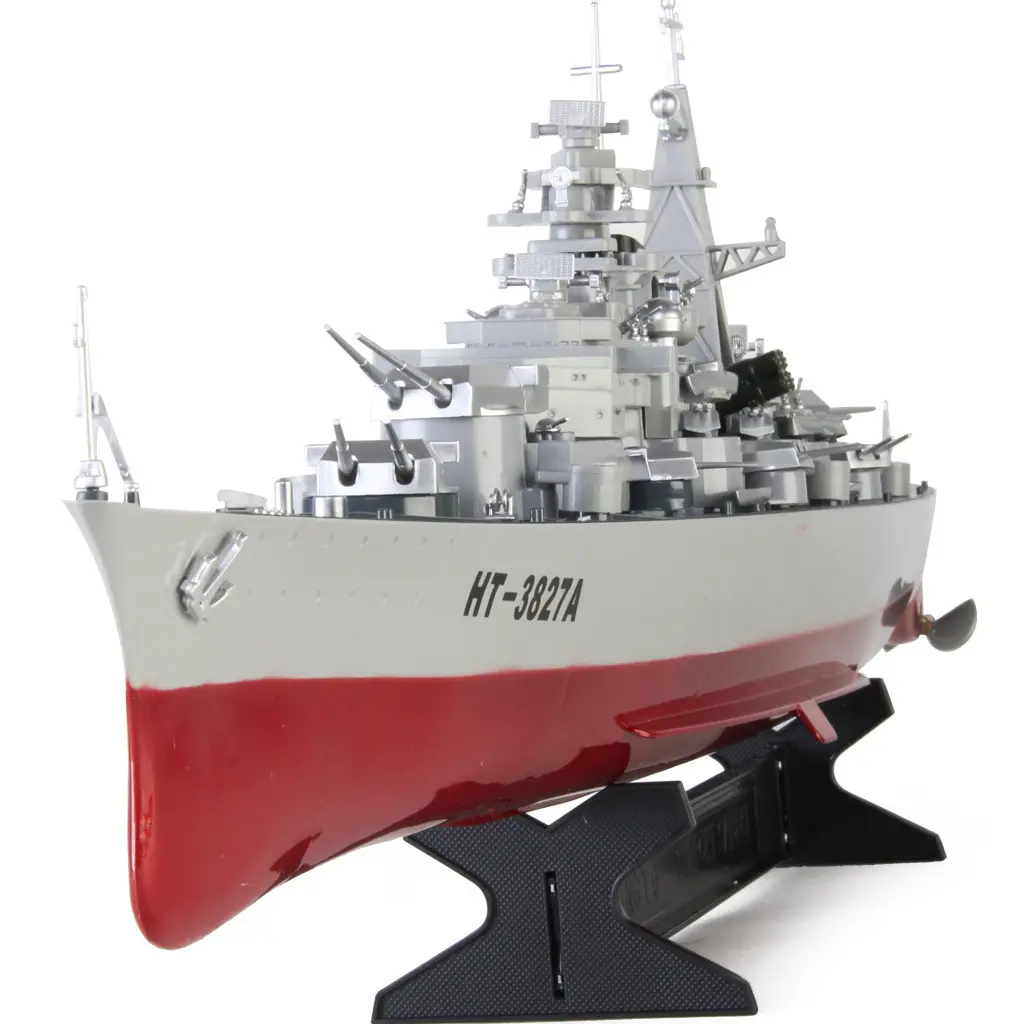
2. Environmental Protection: Control Humidity & Light
Extreme temperature, humidity, and sunlight are enemies of custom models:
- Humidity control: Aim for 45%-60% relative humidity. Too much moisture causes wood warping (e.g., ship decks) and metal corrosion (e.g., aircraft landing gear); too little dries out fabric sails and causes cracking. Use a dehumidifier in damp spaces or a humidifier in dry climates.
- Sunlight protection: Display models away from direct sunlight—UV rays fade paint, discolor wood, and weaken fabric. If your display area has natural light, use UV-filtering window film or place the model in a glass cabinet with UV protection.
- Temperature stability: Avoid placing models near radiators, air conditioners, or vents—sudden temperature changes cause materials to expand/contract, leading to cracks in plastic or loose joints.
3. Handling & Storage: Prevent Physical Damage
Proper handling and storage are critical, especially for fragile custom pieces:
- Handling tips: Always hold models by sturdy parts (e.g., ship hull, aircraft fuselage) never by delicate details (e.g., masts, wings). Wash hands before touching to avoid oil transfer, which attracts dust and damages finishes.
- Storage solutions: If you need to store the model temporarily, use a hard case lined with acid-free tissue paper. For ship models, secure rigging with small pieces of foam to prevent tangling; for aircraft models, remove detachable parts (e.g., propellers) and store separately. Avoid stacking items on top of the case, and keep it in a cool, dry closet.
4. Minor Repairs: Fix Small Issues Promptly
Even with careful care, minor issues may arise—address them quickly to avoid further damage:
- Loose joints: Use a small amount of wood glue (for wooden parts) or cyanoacrylate glue (for metal/plastic) to reattach loose components. Let the glue dry completely (24 hours) before displaying.
- Scratched paint: For small scratches, use a touch-up paint that matches the original (ask your custom manufacturer for a sample, like Tryamodel’s complimentary touch-up kits). Apply with a fine-tip brush and blend gently.
- Warped wood: For slightly warped ship decks, place a weight (wrapped in cloth) on the affected area and leave it in a controlled-humidity space for 1-2 weeks. Do not use heat, as it can worsen warping.
Final Note: Trust the Experts for Major Repairs
For significant damage (e.g., broken masts, cracked fuselages), contact your custom model manufacturer. At Tryamodel, we offer professional repair services for models made by our team—leveraging our knowledge of materials and craftsmanship to restore your piece to its original condition.
Your custom ship or aircraft model is more than a display—it’s a testament to precision and passion. With these maintenance tips, you’ll enjoy its beauty for years to come. Ready to expand your collection or order a custom model built to last? Contact Tryamodel today for a free quote.
Model airplane enthusiast community -custom ship model
Leave a Reply