
What Is a Custom Model Railroad Waterfront Scene?
It is a harbor scene made for your layout.
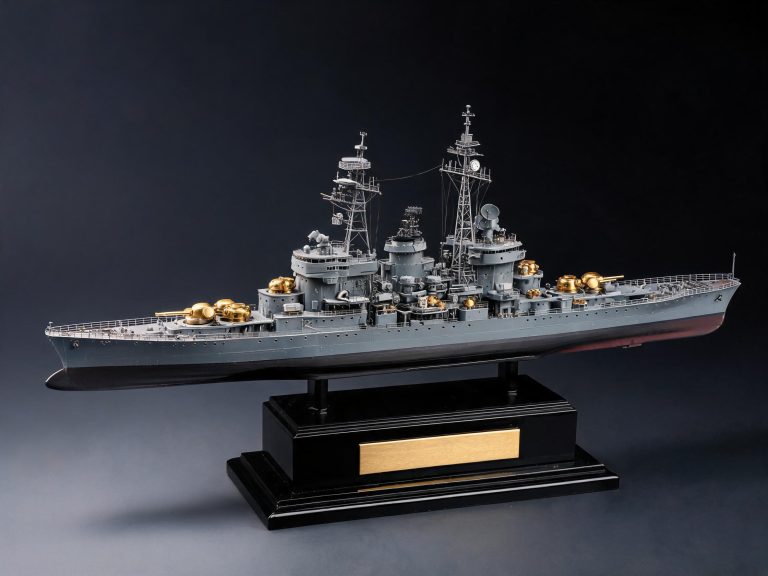
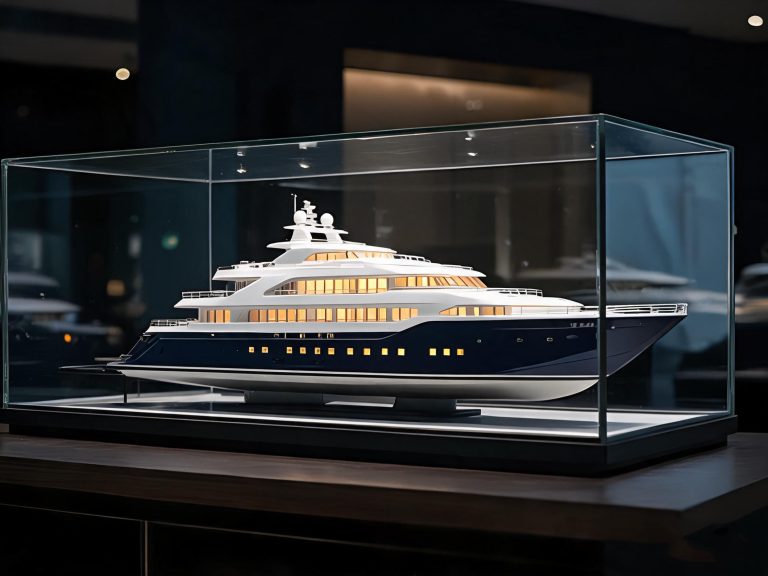
A custom model railroad waterfront scene includes docks, ships, and warehouses.
You choose the era and type of port.
The scene is weathered and fully detailed.
Your trains will deliver goods to waiting ships.
Why Commission a Waterfront Scene?
Building a harbor yourself is very complex.
A custom model railroad waterfront scene saves you months of work.
You get realistic water, boats, and pier details.
Perfect for a dramatic focal point on your layout.
Your layout will have rail and sea working together.
How the Commission Service Works
First, discuss your harbor vision with the builder.
Tell them your scale (HO, N, O) and space size.
Share photos of real waterfronts you like.
They create a design sketch for approval.
Then construction of docks and water begins.
What You Receive
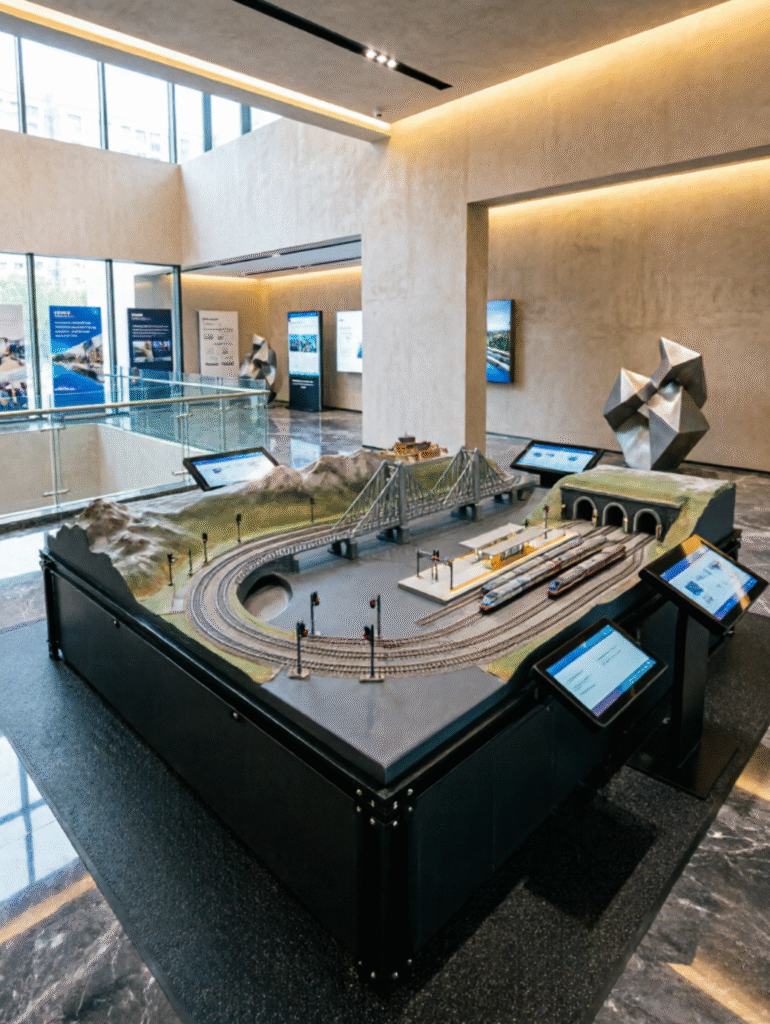
A complete waterfront scene on a sturdy base.
A custom model railroad waterfront scene includes water, docks, and buildings.
Ships, boats, and cargo are added.
Figures, cranes, and lighting are included.
Ready to install on your layout.
Pricing and Timeline
Small waterfronts (1′ x 2′) cost 400‑800.Mediumharbors(2′x3′)cost400‑800.Mediumharbors(2′x3′)cost900‑1800.
Large port scenes (3′ x 4′+) cost $2000‑5000.
Turnaround is 6‑14 weeks.
Shipping is crated and insured.
Model Railway Crossing Custom Service
A crossing near the waterfront.
Use Model Railway Crossing Custom Service once.
Gates protect the dock road.
Your harbor has a busy crossing.
Custom Model Railroad Farm Scene Model
A farm on the hills above the harbor.
Use Custom Model Railroad Farm Scene Model once.
Fields and barns overlook the water.
Your scene has rural contrast.
Model Railroad City Scenery Custom Service
A city skyline behind the port.
Use Model Railroad City Scenery Custom Service once.
Skyscrapers and warehouses.
Your harbor is part of a metropolis.
Model Train Carriage Miniature Custom Order Service
A passenger carriage arriving at the port.
Use Model Train Carriage Miniature Custom Order Service once.
Tourists heading for a ferry.
Your harbor has passenger service.
Model Railway Village Custom Design Service
A fishing village next to the harbor.
Use Model Railway Village Custom Design Service once.
Cottages and a pub near the docks.
Your waterfront has local character.
Choosing a Waterfront Builder
Look at portfolios of past waterfront work.
Read reviews from other modelers.
Ask about materials (resin, wood, foam).
Check if they do realistic water and waves.
Get a written contract before starting.
Questions to Ask
What is your turnaround time?
Can you add working lights on piers?
Do you include ships and boats?
What happens if the scene is damaged in shipping?
Do you offer design revisions?
What to Provide the Builder
Scale and footprint dimensions.
Type of harbor (fishing, cargo, passenger).
Number of docks and tracks.
Water color and wave style.
Era (steam, diesel, modern).
The Design Phase
The builder creates a layout sketch.
You approve dock placement and ship positions.
Changes are easiest at this stage.
Expect 2‑3 rounds of revisions.
Then construction begins.
Materials Used
Water from epoxy resin or gloss gel.
Docks from strip wood or laser‑cut kits.
Buildings from resin or wood.
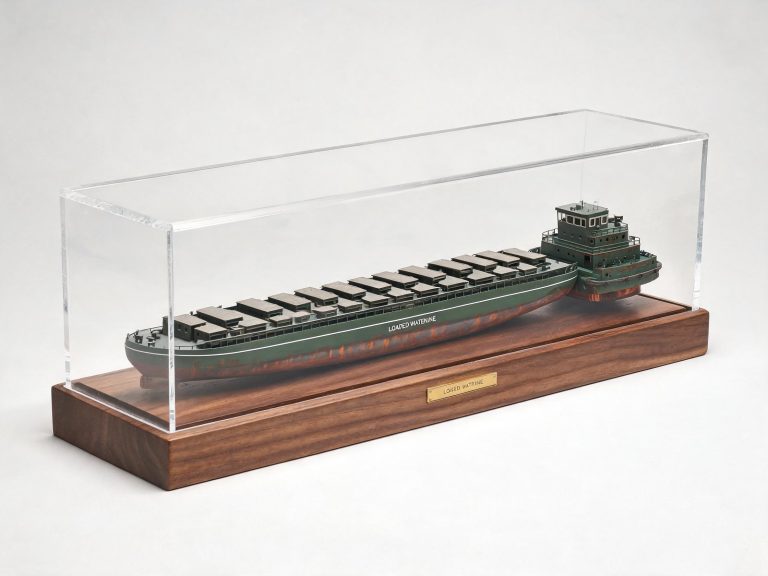
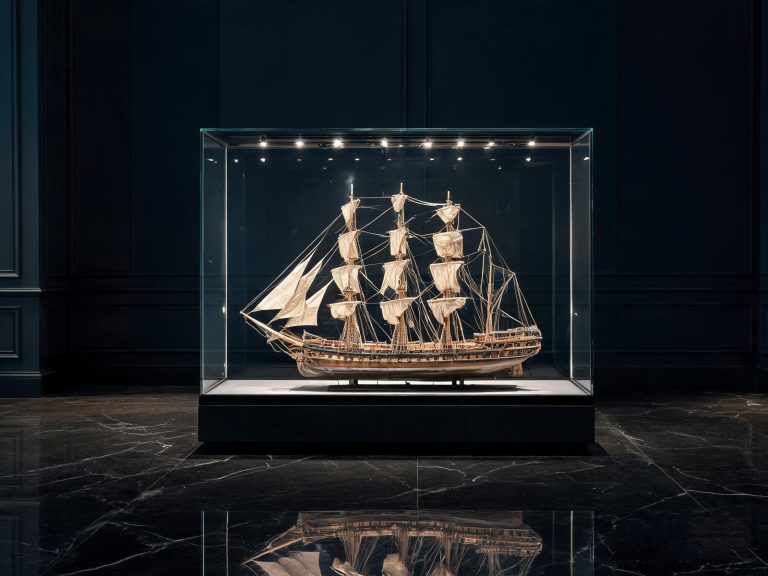
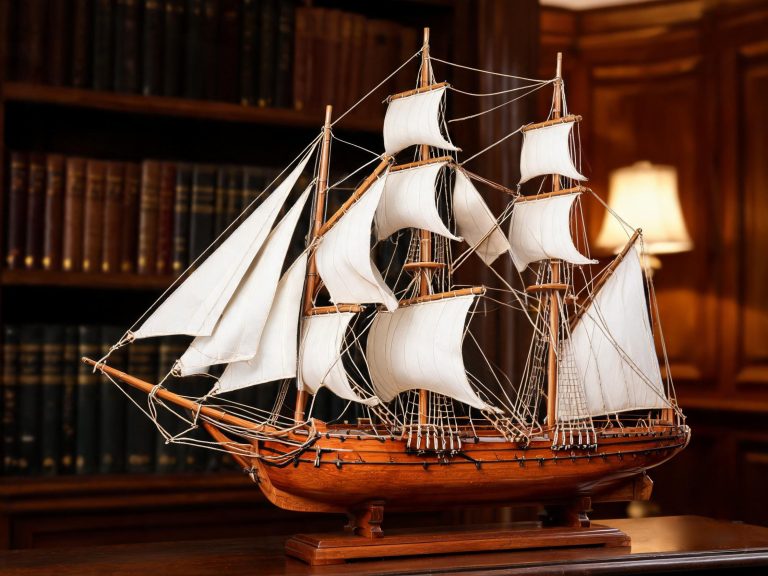
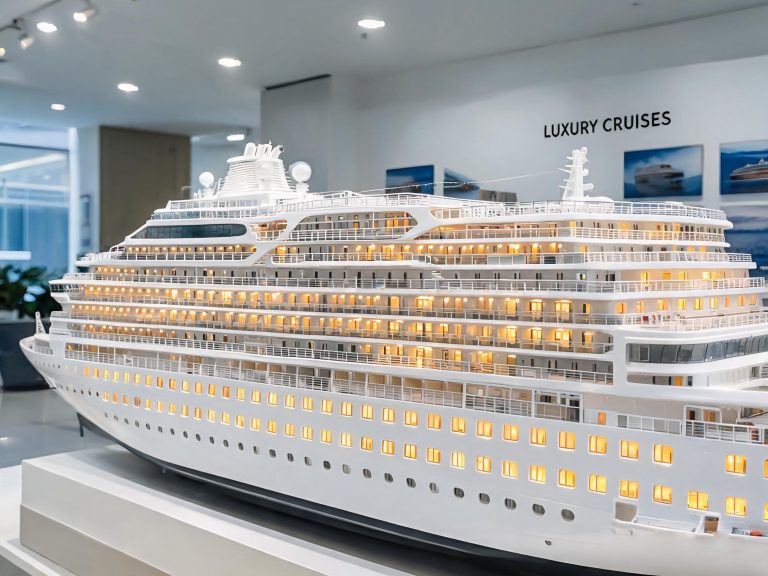
Ships from resin or 3D printed parts.
Figures from resin or metal.
Making the Water
The base is painted blue or green.
Resin is poured in thin layers.
Waves are sculpted with gloss gel.
Whitecaps are painted on.
The water looks deep and real.
Docks and Piers
Wooden piers with pilings.
A main wharf for cargo ships.
A fishing pier for small boats.
A ferry dock for passengers.
All are weathered with gray and brown.
Ships and Boats
A cargo ship tied to the dock.
A fishing trawler at the pier.
A tugboat for harbor work.
Small rowboats near the shore.
Boats look used and realistic.
Warehouses and Buildings
Brick or wood warehouses.
A fish processing plant.
A chandler for ship supplies.
A passenger ferry terminal.
All buildings have loading docks.
Cargo Handling
Cranes on the dock.
Forklifts moving pallets.
Piles of cargo nets and barrels.
A container stack for modern era.
Your harbor moves freight.
Figures at the Waterfront
Dock workers with hard hats.
A ship captain on the bridge.
Fishermen mending nets.
Tourists waiting for the ferry.
Seagulls on the pilings.
Lighting the Waterfront
Warm LEDs on the piers.
A lighthouse beacon flashing.
String lights at the fish market.
Cool light reflecting on water.
Your harbor glows at night.
Backdrops and Blending
A painted sky with distant horizon.
A cargo ship far away.
The scene blends into your layout.
Trees or buildings hide edges.
Your waterfront looks infinite.
Shipping Your Waterfront Scene
The builder uses a wood crate and foam.
Fragile ships and pilings are protected.
Insure for full replacement value.
Open and inspect immediately.
Report damage within 48 hours.
Installing the Waterfront
Place the scene on your benchwork.
Align tracks with your mainline.
Glue or screw the base in place.
Blend edges with ground cover.
Add a siding for the wharf.
Operating a Waterfront Railroad
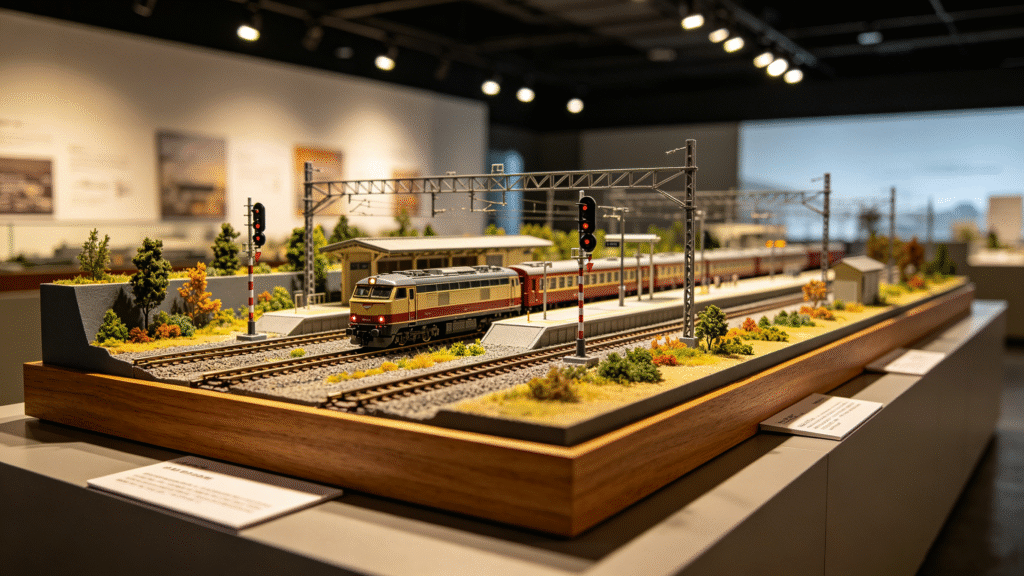
Run a local switcher to the docks.
Deliver boxcars to the warehouse.
Pick up reefers from the fish plant.
A passenger train to the ferry.
Your harbor is a busy port.
Common Mistakes to Avoid
Water too flat and glassy.
Forgetting tide marks on pilings.
No ships or boats in the harbor.
Docks too clean and new.
Skipping the fishy smell (figuratively).
Final Tips
Start with a small dock and one ship.
Add a warehouse and track.
Then build the water and waves.
Study real harbor photos.
Your scene will smell like the sea.
Now commission your custom model railroad waterfront scene today.
Include a crossing service, farm model, city scenery, carriage miniature, and village design.
Let professionals build your salty masterpiece.
Happy modeling.